Compliance concerns execution rather than interpretation. This section deals with control design, KYC and AML workflows, evidence retention, reporting calendars and the cost of staffing a function that supervisors will inspect. Useful to compliance leads, risk officers and the engineers asked to make controls auditable.
The operating side of the rulebook: control design, evidence collection, audit trails and the staffing a supervised firm needs to pass inspection.
Rule 206(4)-1 has been fully effective since November 2022, and digital-first advisers keep discovering that their growth channels are its regulated surface.
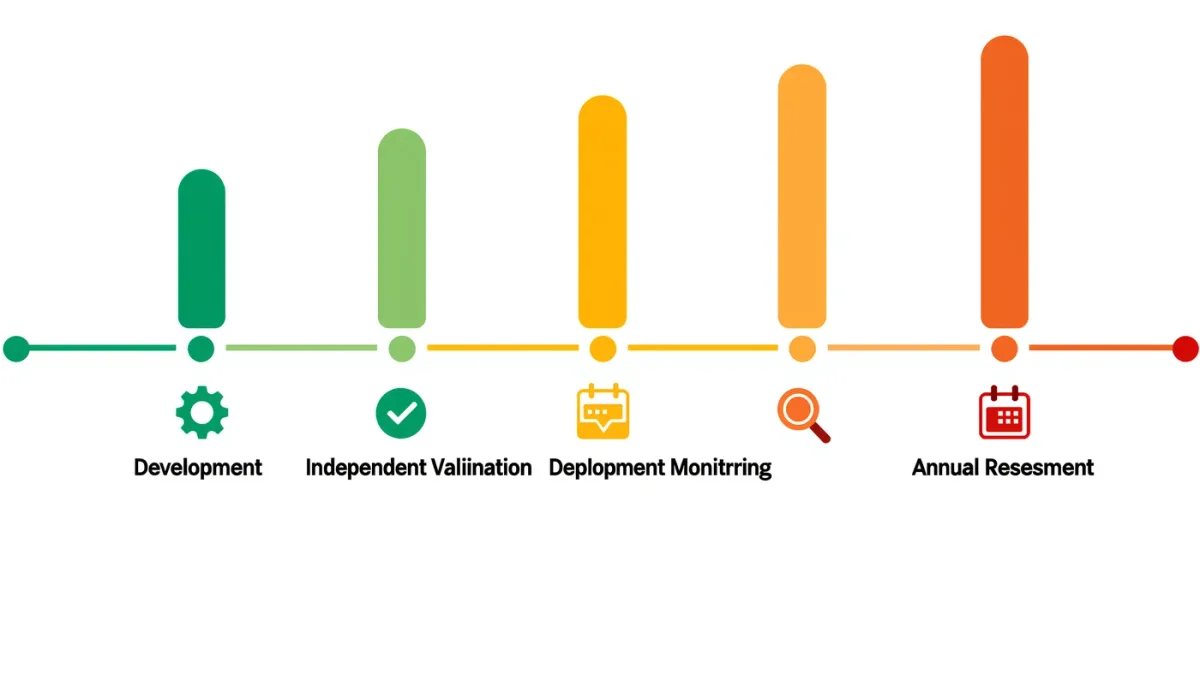
The 2011 interagency guidance is technology-agnostic, which means examiners read machine-learning scorecards through the same inventory, validation, and challenge machinery as logistic regression.