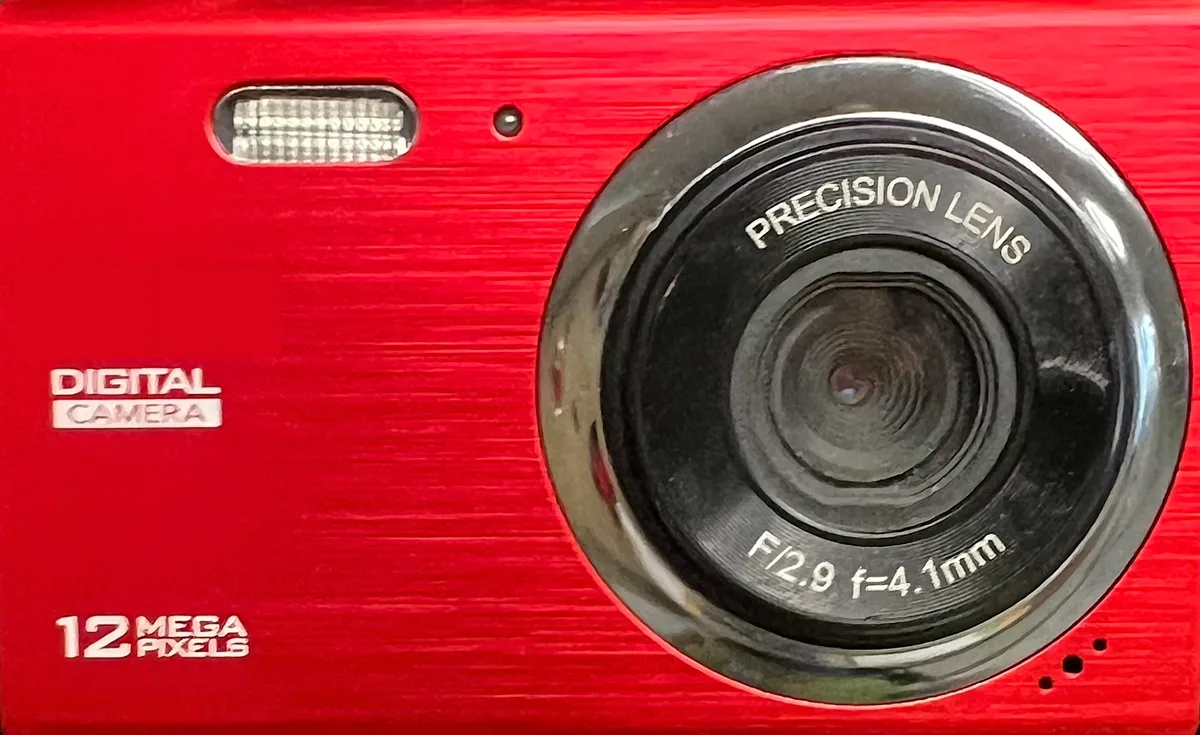
A digital camera is a device that captures and stores images as digital data rather than on film, as Wikipedia puts it in its roundup of digital technologies. That definition covers everything from a pocket point-and-shoot to a professional body with interchangeable lenses. The question this article answers is narrower: with phones shooting competent photos, why does anyone still buy the standalone kind?
The short answer is physics and ergonomics, not nostalgia. A dedicated camera puts a larger sensor behind a real lens, offers actual optical zoom, and dedicates its entire battery and processor to one job. Those advantages hold in specific niches: long-distance wildlife and sports shooting, dim interiors, paid client work, and any situation where a dead battery or a notification is unacceptable. Outside those niches, the phone wins on convenience, and the gap keeps widening.
This is information, not legal or purchasing advice; readers weighing a specific purchase should check current specifications and, where relevant, consult qualified professionals for their own facts.
What does a bigger sensor actually buy you?
The sensor is the chip that converts light into the electrical signals a camera records. Its physical area matters more than its megapixel count. A larger sensor gathers more light per pixel at the same exposure, which shows up in two places: cleaner images in dim rooms, and a smoother falloff between what is sharp and what is blurred.
That second effect deserves plain language. A phone's small sensor and short lens keep most of a scene in focus, front to back. A larger sensor with a longer lens naturally isolates a subject, blurring the background. Portrait photographers prize this, and it is the single hardest thing for computational software to fake convincingly. Software can simulate the blur; it struggles with the way real optics render edges, highlights, and hair.
The trade runs the other way, too. Small sensors mean small bodies, deep focus for snapshots, and lenses that collapse into a pocket. A dedicated camera asks the user to carry a separate object, charge a separate battery, and move files separately. That cost is why most buyers rationally stop at the phone.
Why is zoom the clearest dividing line?
Zoom comes in two kinds, and the distinction decides most camera purchases. Optical zoom moves actual glass elements to magnify the scene before the sensor records it, so detail is preserved. Digital zoom, which is what a phone does beyond its fixed lenses, crops and enlarges the recorded image, so detail is thrown away.
Phones now carry two or three fixed lenses to approximate optical zoom steps, and the results at moderate distances are good. But a birder photographing a heron across a lake, or a parent shooting a football match from the stands, is asking for magnification no pocket device delivers optically. Bridge cameras and superzoom compacts exist precisely for this buyer: one fixed lens that covers a huge focal range, no lens changes, a modest price. We covered a connected angle in How the eIDAS 2.0 Identity Wallet Changes KYC Onboarding Across the European Union.
Interchangeable-lens systems serve the other end. A photographer who needs a fast telephoto on Saturday and a wide interior lens on Sunday buys a body and swaps glass. The mechanism is simple; the cost and the carrying weight are not. The sceptic's question applies: does the buyer actually shoot those situations often enough to justify the kit? Many do not, and the phone answers.
Which buyers still pick a dedicated camera?
The surviving niches are easy to name because each one defeats a specific phone limitation.
- Long reach. Wildlife, sports, and aviation photography need optical magnification that phones cannot deliver. A superzoom or a telephoto lens is the tool.
- Low light and fast motion. Larger sensors and brighter lenses capture dim churches, concert halls, and indoor sport with less noise and less motion smear.
- Paid and archival work. Clients expect raw files, consistent colour, and full manual control. Wedding and event shooters also need dual card slots and batteries that outlast a twelve-hour day.
- Reliability under pressure. A camera that does one thing does not take a call mid-shoot, does not run background apps, and does not die because navigation used its battery all afternoon.
- Learning. Physical dials teach exposure faster than menus. Students who want to understand aperture and shutter speed still start on a dedicated body.
What this means in practice: a buyer should match the camera to the niche, not to the spec sheet. Someone whose hardest photographic problem is a dark restaurant needs neither a superzoom nor a full-frame body. Someone shooting herons at 100 metres needs both reach and stability, and no phone setting fixes that.
How do the main camera types compare?
The market has consolidated into a few shapes, each solving a different constraint. The table below compares them on the dimensions that drive purchase decisions. For related coverage, see GDPR Article 22 and Fraud Models: When Automated Decisions Need Human Review in the EU.
| Type | Sensor and lens | Strength | Weakness | Best fit |
|---|---|---|---|---|
| Compact point-and-shoot | Small sensor, fixed lens | Pocketable, one-button simple | Limited zoom reach, weak in low light | Casual snapshots where a phone is unwelcome |
| Superzoom / bridge | Small-to-medium sensor, huge fixed zoom | Extreme reach without lens swaps | Bulk, slower response | Wildlife, travel, sport from the stands |
| Mirrorless interchangeable | Medium-to-large sensor, swappable lenses | Image quality, speed, video capability | Cost grows with each lens | Enthusiasts, hybrid photo-video creators |
| DSLR | Large sensor, optical viewfinder | Battery life, handling, used-market value | Declining new-lens investment | Budget-conscious buyers on the used market |
| Medium format | Very large sensor | Maximum detail and tonal range | Price and weight | Commercial and fine-art studios |
The honest caveat sits across the whole table: every category has lost ground to phones at the casual end. The categories that persist are the ones selling something a phone structurally cannot, chiefly reach, sensor area, and sustained professional workflow.
What should a buyer check before spending money?
A short sequence covers most decisions.
- Name the bottleneck. Write down the two or three photos the phone fails at. If the list is empty, stop here.
- Match the type to the bottleneck. Reach points to a superzoom or telephoto; dim interiors point to sensor size and bright lenses; client work points to an interchangeable system.
- Budget for glass, not just the body. On interchangeable systems, lenses outlast bodies and often cost more. A cheaper body with a better lens usually beats the reverse.
- Handle it first. Weight, grip, and menu logic decide whether the camera gets used. A camera in a drawer photographs nothing.
- Check the total workflow. File transfer, storage, and backup add steps the phone automates. Plan for them before buying.
One concrete detail worth repeating: the deciding factor is rarely image quality at all. Phone images at social-media sizes are indistinguishable from camera images for most viewers. The deciding factors are reach, light, endurance, and control — the four things physics ties to hardware size, and hardware size is the one spec a phone cannot escape.
Where the market goes from here
The evidence points to a stable, smaller market rather than a dying one. Manufacturers have retreated from the low end, where phones won outright, and concentrated on high-margin interchangeable systems and specialised compacts. Computational photography keeps closing the casual gap, which pushes dedicated cameras further toward the niches listed above rather than eliminating them.
What remains unknown is how far software can push. If phone makers eventually deliver genuine optical reach in a pocketable form, the superzoom niche narrows further. Until then, the standalone digital camera survives the Tuesday-afternoon test for a specific buyer: the one whose best photo of the month is one a phone could not take.